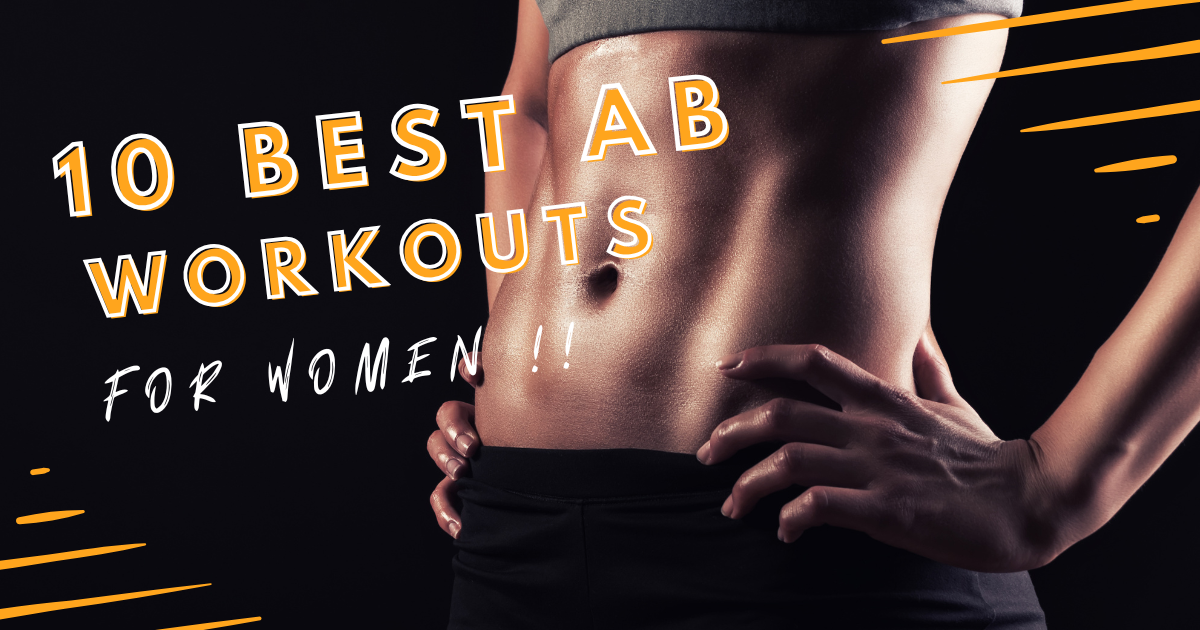
Sculpt a Strong, Sexy Core (No‑Matter Your Fitness Level
Why a Strong Core Matters (Especially for Women)
A solid core isn’t just about looking good in a bikini—it’s the powerhouse that keeps everything else running smoothly:
| Benefit | How It Helps Women |
|---|---|
| Better posture | Reduces back pain that often stems from long hours at a desk or caring for kids. |
| Improved athletic performance | A strong core fuels everything from yoga flows to marathon runs. |
| Enhanced balance & stability | Crucial for pregnancy, childbirth, and everyday activities like carrying groceries. |
| Higher calorie burn | Core work engages multiple muscle groups, upping your metabolic rate. |
| Confidence boost | When you feel strong, you radiate confidence—inside and out. |
The good news? You don’t need a gym membership or fancy equipment to get there. Below are ten of the most effective, women‑friendly ab workouts. Each can be modified for beginners, intermediate, or advanced trainees, and all can be done at home with minimal gear.
1. Dead‑Bug (Core‑Stability Classic)
How to do it
- Lie on your back, arms straight up toward the ceiling, knees bent at 90° (shins parallel to the floor).
- Slowly extend your right leg straight while dropping your left arm overhead, keeping both just a few inches off the ground.
- Return to start and repeat on the opposite side.
Reps / Sets: 12‑15 per side, 3 sets.
Why it shines
- Teaches you to brace the spine without using the hip flexors (a common mistake in crunches).
- Perfect for pregnant or postpartum women because it’s low‑impact and protects the lower back.
Progression tip – Hold a light dumbbell (2–5 lb) in each hand for added resistance.
2. Standing Bicycle Crunches (No‑Floor Required)
How to do it
- Stand tall, feet hip‑width apart, hands behind your head.
- Lift your right knee toward your left elbow, twisting through the torso.
- Return to start and switch sides.
Reps / Sets: 20 total (10 per side), 4 sets.
Why it shines
- Engages the obliques while also working the hip flexors and glutes—great for functional movement.
- Ideal for busy mornings when you can’t roll out a mat.
Progression tip – Add a light resistance band around your thighs to increase glute activation.
3. Plank with Alternating Leg Lift
How to do it
- Assume a forearm plank, body in a straight line.
- Lift your right foot a few inches off the ground, hold 2 seconds, lower.
- Repeat with the left foot.
Reps / Sets: 8‑10 lifts per side, 3 sets.
Why it shines
- Turns a static plank into a dynamic, full‑body stabilizer.
- Strengthens the posterior chain (glutes, hamstrings) which supports a flatter tummy.
Progression tip – Move to a high‑plank on hands or add a medicine ball roll‑through for shoulder stability.
4. Reverse Crunch on a Stability Ball
How to do it
- Sit on a stability ball, walk your feet forward until your hips are supported and your back is slightly arched.
- Place hands behind your head or across your chest.
- Contract your lower abs to lift your hips toward the ceiling, then lower slowly.
Reps / Sets: 15‑20, 3 sets.
Why it shines
- Targets the often‑neglected lower abs without straining the neck or spine.
- The unstable surface forces the core to work harder.
Progression tip – Hold a 5‑lb plate on your chest for extra load.
5. Side‑Plank Hip Dips
How to do it
- Start in a side‑plank on your forearm, body in a straight line.
- Lower your hips toward the floor, then lift back to the starting position.
Reps / Sets: 12‑15 per side, 3 sets.
Why it shines
- Isolates the obliques and improves lateral stability—perfect for swimmers, cyclists, and dancers.
- Helps sculpt a tapered waist.
Progression tip – Add a resistance band around the thighs or perform the dip while holding a light kettlebell on your hip.
6. V‑Sit Hold (Isometric Core Burner)
How to do it
- Sit on the floor, legs extended.
- Lean back slightly, lift legs off the ground, and bring them together forming a “V.”
- Extend arms forward, hold the position.
Duration / Sets: 30‑45 seconds, 3 sets.
Why it shines
- Engages the rectus abdominis, hip flexors, and even the lower back for a balanced core.
- The static hold builds endurance for longer cardio sessions.
Progression tip – Add a medicine ball to your hands and gently rock side‑to‑side.
7. Russian Twists (Weighted or Unweighted)
How to do it
- Sit with knees bent, feet lifted or planted (beginner: keep feet on floor).
- Hold a 10‑lb medicine ball or kettlebell, lean back slightly, and rotate torso to each side.
Reps / Sets: 20 total (10 per side), 4 sets.
Why it shines
- Directly targets the obliques and transverse abdominis.
- Mimics the rotational movement needed in everyday tasks (reaching, turning).
Progression tip – Use a heavier weight (15–20 lb) or perform the twist on a BOSU ball for extra instability.
8. Mountain‑Climber Variations
How to do it
- Start in a high‑plank.
- Drive knees toward chest alternately, keeping hips level.
Reps / Sets: 40 total (20 per side), 3 sets.
Why it shines
- Combines cardio with core activation, torching belly fat while sculpting muscle.
- Great for HIIT circuits or as a warm‑up for a full‑body workout.
Progression tip – Add a slow “cross‑body” mountain climber (bring right knee to left elbow) to intensify the obliques.
9. Pilates‑Style Hundred (Full‑Body Core Activation)
How to do it
- Lie on your back, knees bent to 90°, arms by your sides.
- Lift head, shoulders, and feet (or keep shins lifted).
- Pump arms up and down while breathing in for five counts, out for five counts—repeat 10 cycles (100 pumps).
Why it shines
- Focuses on diaphragmatic breathing and core engagement—key for pelvic floor health.
- Builds endurance for longer planks and other static holds.
Progression tip – Extend legs fully (straight‑leg hundred) for a tougher challenge.
10. Lying Leg‑Raise with Hip Thrust
How to do it
- Lie flat, arms at sides.
- Lift legs together to 90°, then press hips off the floor, creating a small bridge at the top.
- Lower hips, then lower legs back down.
Reps / Sets: 12‑15, 3 sets.
Why it shines
- Simultaneously works the lower abs, glutes, and lower back—a tri‑focus movement that tones the entire midsection.
- Reduces the “lower belly” sag that many women struggle with.
Progression tip – Hold a light ankle weight (2‑3 lb) on each leg.
Putting It All Together – Sample 20‑Minute Core Circuit
| Exercise | Duration | Rest |
|---|---|---|
| Dead‑Bug | 45 seconds | 15 seconds |
| Standing Bicycle Crunches | 45 seconds | 15 seconds |
| Plank w/ Leg Lift | 45 seconds | 15 seconds |
| Reverse Crunch on Ball | 45 seconds | 15 seconds |
| Side‑Plank Hip Dips (each side) | 30 seconds per side | 15 seconds |
| V‑Sit Hold | 30 seconds | 15 seconds |
| Russian Twists | 45 seconds | 15 seconds |
| Mountain‑Climbers | 45 seconds | 15 seconds |
| Pilates Hundred | 60 seconds | 30 seconds |
| Leg‑Raise with Hip Thrust | 45 seconds | 15 seconds |
Repeat the circuit once or twice depending on your fitness level.
Quick tip: Keep a timer handy (many fitness apps have “interval” mode) and focus on quality over speed. A controlled movement beats a sloppy sprint every time.
Frequently Asked Questions (FAQ)
Q1: How often should I train my abs?
Answer: 2‑3 dedicated core sessions per week are sufficient, especially when you’re already incorporating core‑stabilizing exercises (like squats or deadlifts) into other workouts. Give your muscles 48 hours to recover.
Q2: Will these workouts give me a “six‑pack”?
Answer: Visible abs are a combination of muscle development and low enough body fat. Pair these routines with a balanced diet and regular cardio, and you’ll see definition over time.
Q3: Are any of these moves unsafe for pregnant women?
Answer: Most are safe, but always keep the spine neutral and avoid supine positions after the first trimester. The dead‑bug, standing bicycle crunches, and side‑plank hip dips are especially pregnancy‑friendly. Consult your OB‑GYN before starting any new routine.
Q4: I have a weak lower back—what should I avoid?
Answer: Skip heavy weighted reverse crunches or full leg‑raises until your back is stronger. Stick to the dead‑bug, plank variations, and Pilates Hundred, which emphasize spinal stability.
Final Thoughts: Your Core, Your Power
A strong core isn’t a vanity project—it’s the foundation that supports every movement you make, from picking up your kids to crushing that next personal‑record lift. The ten workouts above give you a balanced mix of stability, strength, endurance, and functional mobility—all crucial for women at any stage of life.
Ready to start? Grab a mat, set a timer, and try the 20‑minute circuit tomorrow morning. Feel free to swap exercises, adjust rep ranges, or add resistance—your core will thank you.
Stay consistent, stay strong, and watch your confidence (and waistline) transform.
Happy training!