If you’ve ever felt torn between “carbs are evil” and “I need energy for my busy life,” you’re not alone. The internet is awash with headlines that demonise all starches while glorifying high‑protein, low‑carb diets. The truth is far more nuanced: not all carbs are created equal.
Good (or “complex”) carbohydrates provide steady fuel, fibre, vitamins, minerals, and even phytonutrients that keep our bodies humming and our gut happy. Below is a practical guide to the best sources of these wholesome carbs, why they matter, and how to weave them into everyday meals.
1. What Makes a Carbohydrate “Good”?
| Feature | Good Carbs | Bad/Refined Carbs |
|---|---|---|
| Fiber content | High (≥ 3 g per serving) | Low (< 1 g) |
| Glycemic impact | Low‑to‑moderate (GI ≤ 55) → slower rise in blood sugar | High (GI > 70) → rapid spike & crash |
| Nutrient density | Packed with vitamins, minerals, antioxidants | Mostly “empty calories” |
| Processing level | Minimal (whole grain, intact fruit/veg) | Highly processed (white flour, sugary drinks) |
| Satiety | Keeps you full 3‑4 h | Leaves you hungry soon after |
In short, good carbs are minimally processed, high in fiber, and deliver a steadier stream of glucose. They also tend to be richer in phytonutrients that protect against chronic disease.
2. Food Groups That Deliver Quality Carbs
Below is a curated list of the top performers. Each entry includes a quick snapshot of its carb profile and a simple serving suggestion.
A. Whole Grains
| Food | Carb + Fiber (per ½ cup cooked) | Key Nutrients | Quick Serving Idea |
|---|---|---|---|
| Quinoa | 20 g carbs / 2.5 g fiber | Magnesium, complete protein, iron | Toss with roasted veggies & a lemon‑tahini dressing |
| Steel‑cut oats | 27 g carbs / 4 g fiber | β‑glucan, manganese, B‑vitamins | Overnight oats with berries & almond butter |
| Brown rice | 23 g carbs / 1.8 g fiber | Selenium, B‑vitamins | Stir‑fry with tofu, broccoli, and low‑sodium soy |
| Barley (pearled or hulled) | 22 g carbs / 3 g fiber | Selenium, copper | Add to soups for a chewy texture boost |
| Whole‑wheat pasta | 31 g carbs / 3 g fiber | Iron, zinc | Pair with a rich tomato‑basil sauce and grilled chicken |
Tip: Swap white rice or refined pasta for these whole‑grain alternatives at least 3–4 times a week to bump up fiber without sacrificing comfort.
B. Legumes & Pulses
| Food | Carb + Fiber (per ½ cup cooked) | Key Nutrients | Quick Serving Idea |
|---|---|---|---|
| Lentils (green/red) | 20 g carbs / 8 g fiber | Folate, iron, protein | Make a hearty lentil soup with carrots & cumin |
| Chickpeas | 22 g carbs / 6 g fiber | Vitamin B6, magnesium | Blend into hummus or toss in a grain bowl |
| Black beans | 20 g carbs / 7 g fiber | Antioxidants, potassium | Use in tacos with avocado & salsa |
| Edamame (soybeans) | 8 g carbs / 4 g fiber | Complete protein, calcium | Snack with sea‑salt or add to quinoa salads |
| Peas | 12 g carbs / 4 g fiber | Vitamin C, vitamin K | Add to risotto or stir‑fry |
Why they shine: Legumes combine complex carbs with plant‑based protein, making them perfect for vegetarian meals or as a meat‑extender in any diet.
C. Fruit (Whole, Not Juiced)
| Fruit | Carb + Fiber (per medium serving) | Key Nutrients | Quick Serving Idea |
|---|---|---|---|
| Apple | 25 g carbs / 4 g fiber | Vitamin C, polyphenols | Slice with peanut butter for a snack |
| Berries (blueberries, raspberries) | 14 g carbs / 4 g fiber | Anthocyanins, vitamin K | Top oatmeal or Greek yogurt |
| Pear | 27 g carbs / 5.5 g fiber | Copper, vitamin C | Bake with cinnamon for dessert |
| Kiwi | 14 g carbs / 2.5 g fiber | Vitamin C, potassium | Mix into a tropical smoothie |
| Orange | 15 g carbs / 3 g fiber | Vitamin C, folate | Eat fresh or add to salads |
Pro tip: Choose whole fruit over juice. The skin (when edible) and pulp retain most of the fiber that moderates sugar absorption.
D. Starchy Vegetables
| Veg | Carb + Fiber (per ½ cup cooked) | Key Nutrients | Quick Serving Idea |
|---|---|---|---|
| Sweet potato | 20 g carbs / 3 g fiber | Beta‑carotene, potassium | Roast with olive oil, rosemary |
| Butternut squash | 12 g carbs / 2 g fiber | Vitamin A, manganese | Cube and add to curry |
| Corn (fresh kernels) | 15 g carbs / 2 g fiber | Folate, lutein | Toss in a quinoa salad |
| Peas (again) | 12 g carbs / 4 g fiber | Vitamin C, vitamin K | Add to pasta primavera |
| Carrots | 12 g carbs / 3 g fiber | Vitamin A, beta‑cryptoxanthin | Roast or steam as a side |
These veggies bring the sweetness of fruit with the heartiness of grains, making them a versatile staple for both savory and sweet dishes.
E. Nuts & Seeds (Mini‑Carb Boost)
While not a primary carb source, a handful adds moderate carbs plus healthy fats and protein—perfect for balanced snacks.
| Item | Carb + Fiber (per ¼ cup) | Key Nutrients |
|---|---|---|
| Chia seeds | 12 g carbs / 10 g fiber | Omega‑3, calcium |
| Rolled oats (as topping) | 15 g carbs / 2 g fiber | Iron, B‑vitamins |
| Almonds | 6 g carbs / 3 g fiber | Vitamin E, magnesium |
3. How to Spot “Good” Carbs When Shopping
- Read the ingredient list – If the first ingredient is a whole grain (e.g., “whole wheat flour,” “brown rice”), you’re likely good.
- Check the fiber – Aim for at least 3 g of fiber per serving.
- Mind the sugars – Natural sugars in fruit and dairy are fine; added sugars (sucrose, high‑fructose corn syrup) should be < 5 g per serving.
- Look for whole‑food formats – Fresh, frozen (without sauces), or dried (no added sugar) options beat “instant” or “flavored” versions.
4. Sample Day of “Good Carbohydrate” Eating
| Meal | Menu | Why it Works |
|---|---|---|
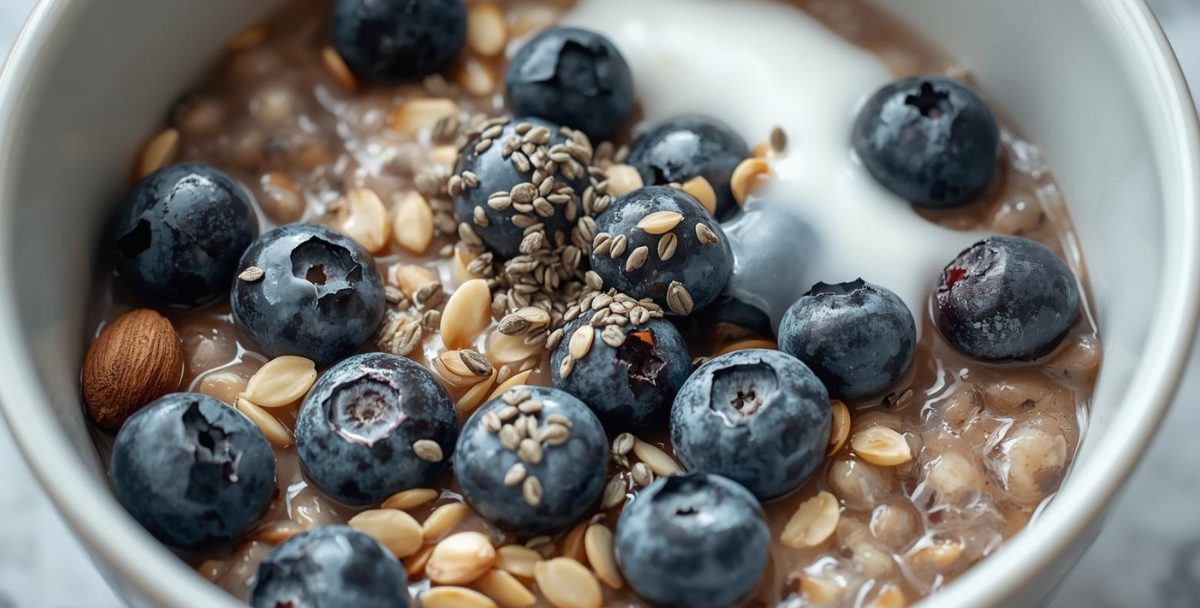
| Breakfast | Overnight steel‑cut oats with blueberries, chia seeds, and a splash of almond milk | Low‑GI oats + soluble fiber (β‑glucan) keep blood sugar stable; berries add antioxidants. |
| Mid‑Morning Snack | Apple slices with 2 Tbsp almond butter | Whole fruit + healthy fat slows carb absorption. |
| Lunch | Quinoa‑black‑bean bowl: quinoa, black beans, roasted sweet potato, avocado, lime‑cilantro dressing | Complete protein from beans + complex carbs + healthy fats. |
| Afternoon Snack | Greek yogurt topped with sliced pear and a sprinkle of walnuts | Adds a modest carb hit plus calcium and omega‑3s. |
| Dinner | Grilled salmon, barley risotto with mushrooms, side of steamed broccoli | Barley offers soluble fiber; salmon supplies omega‑3s; veg adds micronutrients. |
| Dessert | Warm baked pear with a drizzle of honey and cinnamon | Satisfying sweet without refined sugar overload. |
You can swap proteins (tofu, chicken, lentils) and grains (farro, brown rice) to fit personal preferences.
5. Frequently Asked Questions
Q: “Are carbs still bad for weight loss?”
A: Not if you choose the right ones. High‑fiber carbs increase satiety, lower overall calorie intake, and preserve lean muscle when paired with adequate protein.
Q: “Can I eat good carbs every day?”
A: Absolutely! The key is variety to capture a broad spectrum of nutrients. Aim for at least three servings of whole grains, two servings of legumes, and two servings of fruit/veg daily.
Q: “What about low‑carb diets like keto?”
A: Keto can be safe for certain individuals under medical supervision, but it eliminates many nutrient‑dense carbs. If you follow a low‑carb plan, try to incorporate the best carbs you can—like leafy greens, berries, and nuts—while staying within your carb limit.
Q: “How do I keep carbs from spiking my blood sugar?”
A: Pair carbs with protein, fiber, or healthy fat; choose low‑glycemic options; and avoid large, single‑portion meals of starchy foods.
6. Quick Tips to Boost Your Carb Quality
| Action | Result |
|---|---|
| Swap white bread for 100 % whole‑grain | +5 g fiber, lower GI |
| Add a tablespoon of ground flaxseed to smoothies | Extra soluble fiber, omega‑3 |
| Prep a “grain‑and‑legume” batch on Sunday | Saves time, ensures you have a carb base ready |
| Snack on a piece of fruit + handful of nuts | Balanced carb‑fat‑protein combo |
| Use cauliflower rice only once a week | Keeps the diet diverse and prevents “veggie‑only” carb deficiency |
7. Conclusion: Carbs as Fuel, Not Foe
Good carbohydrates are the engine oil that keeps our bodies running smoothly. They provide the glucose our brain craves, the fiber that feeds the gut microbiome, and a host of vitamins and minerals that protect against disease. By focusing on whole grains, legumes, fruit, and starchy vegetables, you can enjoy delicious, satisfying meals without the dreaded energy crashes.
Takeaway: Replace at least one refined carb a day with a whole‑food counterpart, and notice the difference in hunger, energy, and overall wellbeing.
Ready to give your plate a wholesome carb makeover? Grab a bag of quinoa, a can of chickpeas, and a juicy apple—then start building meals that nurture, energize, and delight. Your body (and taste buds) will thank you.