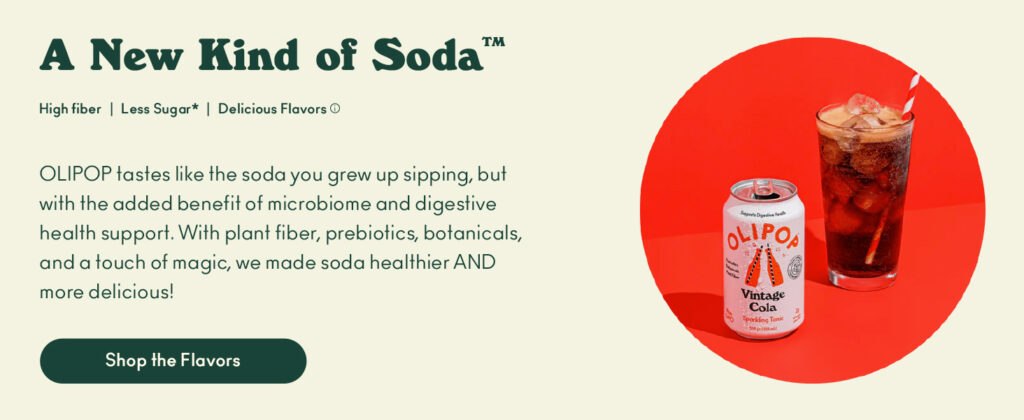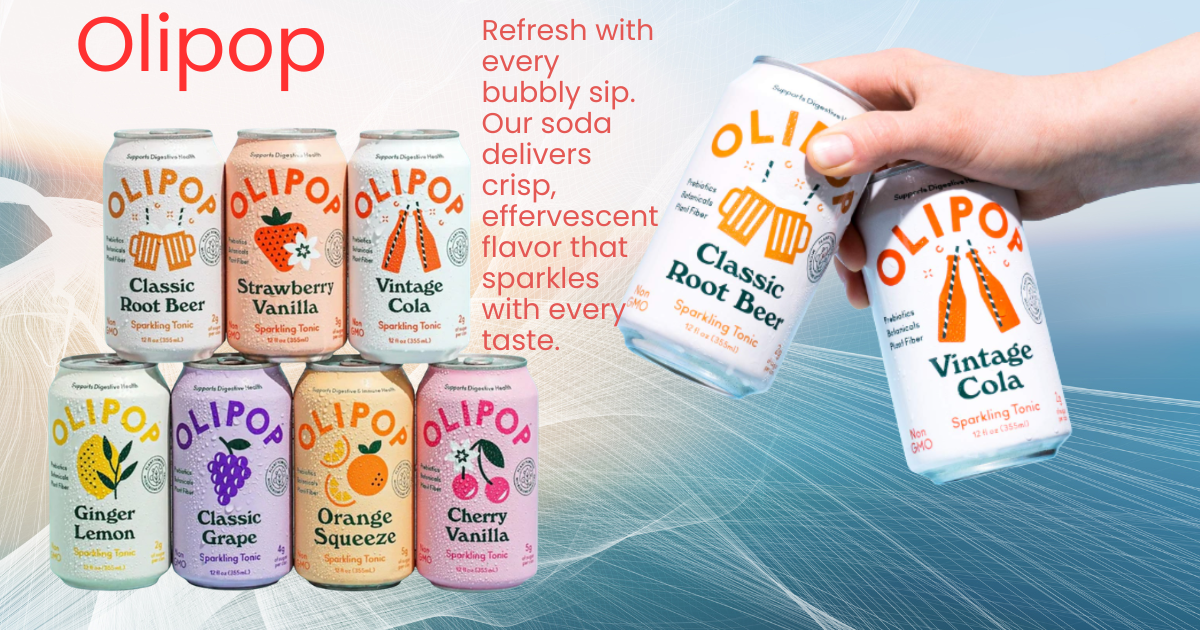
The soda aisle is getting a makeover. If you’ve ever found yourself torn between the nostalgic fizz of classic colas and the guilt‑inducing sugar spike that follows, you’re not alone. Enter OLIPOP – the “prebiotic soda” that’s quietly (and deliciously) rewriting the rules of what a soft drink can be. Below, we’ll unpack the science, the flavor, the branding, and the sustainability moves that make OLIPOP truly different from the rest of the fizzy crowd.
1. A Whole‑New Ingredient Philosophy
| Traditional Soda | Diet/Zero‑Cal Soda | OLIPOP |
|---|---|---|
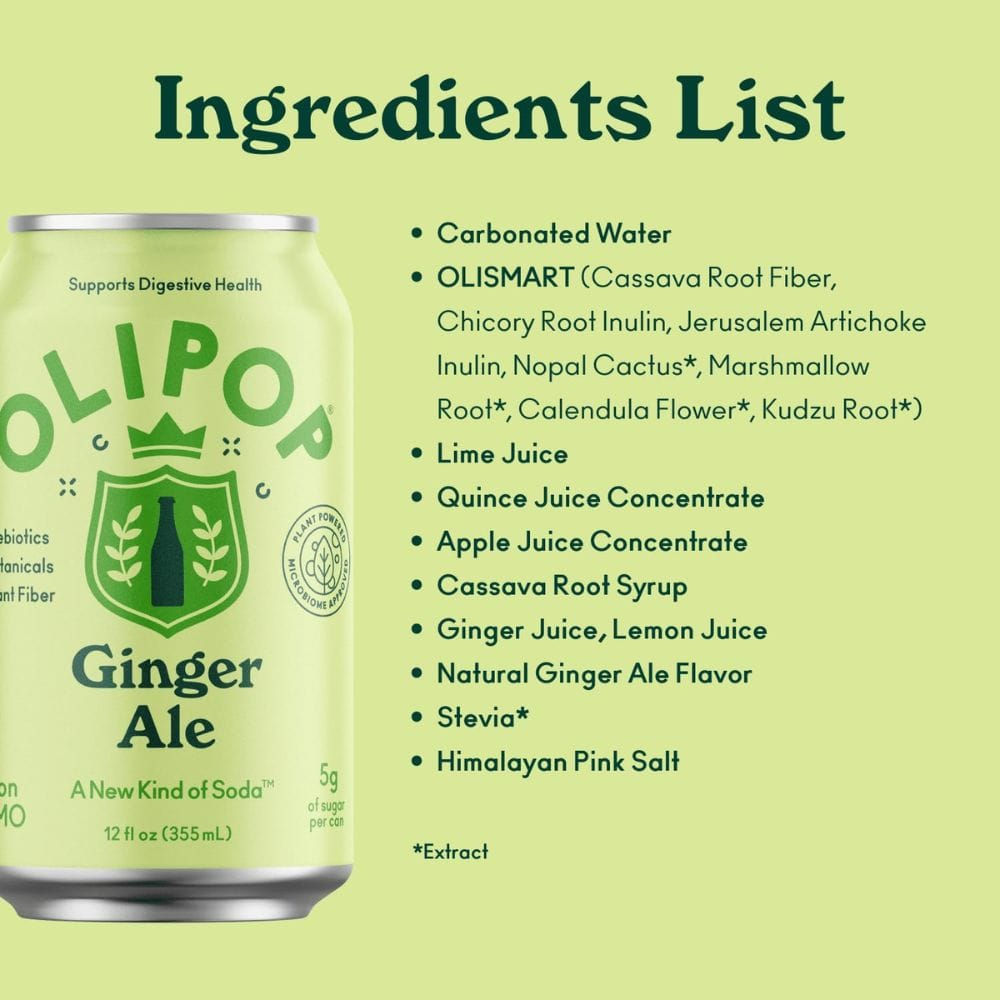
| Sugar (≈ 30‑40 g per 12 oz) | Artificial sweeteners (aspartame, sucralose) | 2 g cane sugar + 5 g prebiotic fiber |
| High‑fructose corn syrup or cane sugar | Zero calories, but often a “blank‑slate” taste | Plant‑based prebiotic fibers (Oligofructose, NUTRA‑FIBER®) |
| No functional benefits | No nutritional upside | Gut‑health boost, gentle sweetness, less crash |
Why it matters:
- Sugar is the enemy for many health‑conscious shoppers, yet removing it entirely (as diet sodas do) can leave a bitter aftertaste and questionable long‑term safety concerns around artificial sweeteners.
- OLIPOP takes a middle road: just enough sugar to give the soda its classic “mouthfeel,” while pairing it with prebiotic fibers that feed the good bacteria in your gut. The result is a drink that tastes like a treat and supports digestive health.
Quick Science Nugget: Prebiotic fibers aren’t digested in the small intestine; they travel to the colon where they become food for beneficial microbes, producing short‑chain fatty acids that improve gut barrier function and even influence mood.
2. Flavor Architecture: Botanical Back‑Drops, Not Just Fruit Flavors
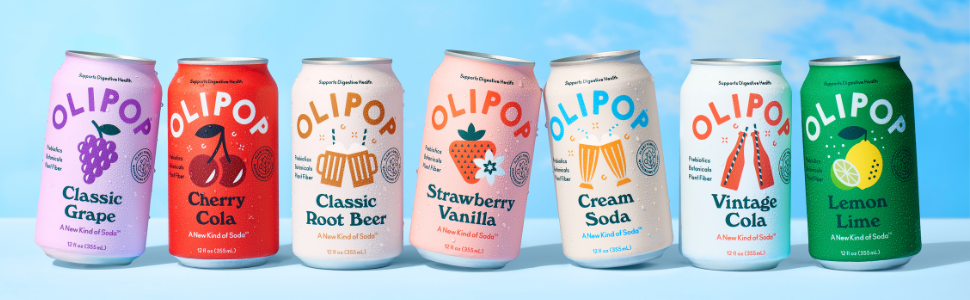
Most sodas rely on artificial flavor packets that mimic a single fruit or spice. OLIPOP goes a step further: every can is built around a botanical “back‑drop” (think ginger, hibiscus, dandelion root) that adds depth, complexity, and a subtle functional edge.
- Ginger Lemon – zingy ginger paired with bright lemon for a gentle digestive lift.
- Black Cherry Vanilla – a dessert‑in‑a‑can vibe without the sugar overload.
- Raspberry Rose – floral notes give a sophisticated finish that you’d expect from a craft cocktail, not a mass‑produced soda.
These botanicals are clean‑label (no synthetic additives) and sourced from growers who prioritize sustainable farming practices—another point of differentiation in a market still dominated by commodity‑grade ingredients.
3. The “Prebiotic Soda” Claim Isn’t Just Marketing Hype
When OLIPOP launched in 2020, “prebiotic soda” was a phrase most people had never heard. In 2026, the term has entered mainstream nutrition conversation, and OLIPOP has stayed ahead of the curve:
- Clinical Backing: In 2024, a double‑blind study published in Nutrients showed that participants who drank an OLIPOP can daily for four weeks experienced a measurable increase in Bifidobacterium counts and reported reduced bloating compared with a control soda.
- Regulatory Transparency: OLIPOP lists the exact type and amount of fiber on every label, complying with the FDA’s “dietary fiber” definition, and distinguishes its product from “fiber‑enhanced” drinks that add inulin without clinical validation.
Bottom line: The prebiotic claim isn’t a buzzword—it’s a validated functional benefit that most sodas can’t promise.
4. Packaging & Sustainability: Less Plastic, More Purpose
- Recyclable Aluminum Cans: OLIPOP switched to 100 % recyclable aluminum in 2022, cutting its carbon footprint by ≈30 % compared to PET plastic bottles.
- Plant‑Based Ink & Labels: The brand uses soy‑based inks and FSC‑certified paper for its shrink‑wrap, eliminating the petroleum‑derived chemicals found in most soda packaging.
- Carbon Offsets: For every case sold, OLIPOP invests in reforestation projects that offset the emissions associated with production and transport.
While many traditional soda giants are still grappling with plastic waste and “greenwashing,” OLIPOP’s end‑to‑end sustainability story resonates with the 2020s‑era consumer who expects their purchases to align with their values.
5. Brand Story & Community‑First Marketing
- Founder Narrative: OLIPOP was co‑founded by Ben Goodwin and David Lester, two Stanford grads who wanted a guilt‑free soda after noticing a gap in the market for “healthy fizz.” Their transparent storytelling—complete with the behind‑the‑scenes lab videos—has cultivated trust.
- Community Engagement: The brand runs a “Gut‑Talk” podcast featuring nutritionists, gastroenterologists, and everyday consumers discussing microbiome health. It’s not just a product plug; it’s an educational platform that positions OLIPOP as a thought leader in functional beverages.
- Limited‑Edition Collaborations: From partnering with local farms for seasonal flavors to collaborating with wellness influencers for “Mindful Mixology” mocktail kits, OLIPOP constantly creates cultural moments that keep the brand top‑of‑mind.
Contrast this with the typical soda marketing playbook—big‑budget TV spots, sports sponsorships, and celebrity endorsements—where the product’s health implications are largely ignored. OLIPOP’s purpose‑driven narrative feels fresh, authentic, and relatable.
6. Price Point & Accessibility – A Balanced Equation
| Product | Approx. Retail Price (12 oz) | Cost per Servings of Sugar* |
|---|---|---|
| Classic Cola (Coke) | $1.50 | 39 g |
| Diet Cola (Diet Coke) | $1.50 | 0 g (artificial sweetener) |
| OLIPOP (any flavor) | $2.25 | 2 g + 5 g prebiotic fiber |
| Kombucha (average) | $3.00 | 5–7 g + live cultures |
— Sugar grams per 12‑oz can.
OLIPOP sits just above the price of mainstream sodas, but well below premium kombucha or specialty craft sodas. The price reflects the added functional ingredients, sustainable packaging, and small‑batch production, yet remains reachable for the everyday shopper who wants a healthier alternative without breaking the bank.
7. The Bottom Line: Why OLIPOP Is More Than a “New Soda”
| Feature | Traditional Soda | Diet/Zero‑Cal Soda | OLIPOP |
|---|---|---|---|
| Sugar | High (30‑40 g) | None (artificial) | Low (2 g) |
| Prebiotic Fiber | None | None | 5 g |
| Artificial Sweeteners | None | Yes | No |
| Botanical Complexity | Limited | Minimal | High |
| Clinical Validation | No | No | Yes (2024 study) |
| Sustainable Packaging | Mostly PET | Mix of PET & aluminum | 100 % recyclable aluminum |
| Brand Mission | Lifestyle/Entertainment | Lifestyle/Weight‑control | Gut health & sustainability |
If you’re looking for a drink that satisfies the craving for fizz, delivers a subtle sweet taste, feeds your gut, and aligns with a greener ethos, OLIPOP checks all those boxes—something no other soda on the shelf can claim to do simultaneously.
Ready to Try the Difference?
Visit our website OLIPOP.com and see for yourself why the brand is quickly becoming the go‑to choice for health‑savvy soda lovers.
Pro tip: Pair a can of Ginger Lemon with a light salad or a post‑workout snack to maximize the digestive benefits—your gut (and taste buds) will thank you.
- Low sugar + prebiotic fiber = functional fizz without the crash.
- Botanical flavor back‑drops give depth missing from most sodas.
- Clinical evidence backs the gut‑health claim.
- Sustainable aluminum cans and carbon‑offset programs set a new industry standard.
- Purpose‑driven branding builds community, not just sales.
In a market oversaturated with empty calories and artificial sweeteners, OLIPOP stands out by turning the humble soda into a well‑rounded wellness ally. It’s not just a drink; it’s a small, daily act of self‑care you can enjoy anywhere—from the office desk to the weekend picnic.
Cheers to a healthier, happier bubble! 🚀🥂